

Music in Film in Music: A Night at Austin Studios
 By Mario Hernandez
When used correctly, music can add emphasis and depth to a scene; it's a partnership that has endured since the earliest days of film. On Wednesday, June 27, the Austin Film Society and the Austin Music Foundation co-hosted an event on the intersection. The "Music in Film in Music" panel addressed the common question, "How do I get music in film?"
Held at SoundCheck Austin at Austin Studios in a room full of musicians and filmmakers, the experience launched with a panel discussion that included musician Adrian Quesada of Grupo Fantasma, filmmaker Andrew Shapter (who served as moderator and flawlessly kept the discussion active), music supervisor Dominique Preyer and sound supervisor/mixer Tom Hammond.
Once the discussion kicked off, the audience focused on absorbing the essential ingredients required in the creative process of incorporating music in film. Shapter presented the audience with an example of how costly and complicated licensing fees and publishers can be in order to allow usage of a song in a film.
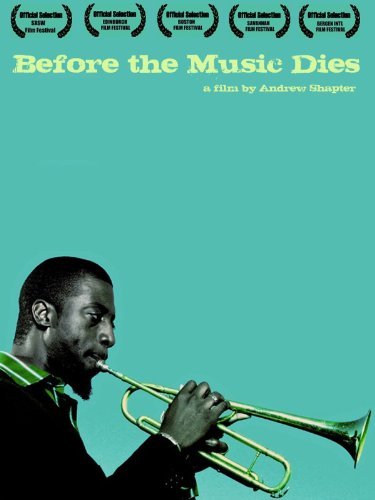
Speaking from his experience with of his documentary film Before the Music Dies, which criticizes the American music industry, Shapter shared that the cost to make the film was around $125,000, while the licensing fees alone totaled $165,000. Granted, the documentary profiled A-list artists like Erykah Badu, Eric Clapton and the Dave Matthews Band, but the fact remains that for any independent filmmaker, the legal and financial obligation for copyrighted music is likely going to be much more than they can afford.
With that being said, a filmmaker never wants to write personal agreements between parties using paper and pencil, or worse, by taking someone’s word for it. This is dangerous, and as Preyer cautioned, all agreements must be documented contractually.
"It's kinda like paying taxes. You gotta be honest," Preyer advised the audience.
Preyer also said that the best thing to do is to bring in a music supervisor to negotiate and build relationships with record labels for films. If a musician is signed to a publisher or record label, the filmmaker must know this; otherwise, he is setting himself up for a migraine. It is vital to sign an error and omissions contract to protect yourself from further copyright lawsuits. This pertains especially to filmmakers and production companies. In this day and age, record labels are trying to stay in the game and are willing to work with independents, which means that they are willing to negotiate small fees for indie films and big fees for big films.
During the Q&A session, Preyer advised filmmakers to structure a step deal or options. Different from a step deal that declares a particular set of rights for one fee, options quote prices per distribution, from festival exhibition to a DVD release to TV airings to a theatrical run. When utilizing options, it is best to start with film festivals and work your way up from there.
Another question surfaced about whether flat rates existed for music. For example, how much does BMG charge for a snippet of a song that may only be a minute and a half? The answer is that flat rates do not exist because it depends on the upper tier of the artist. Lady Gaga will almost certainly be more costly than an unknown, up-and-coming artist.
When dealing with multiple publishers -- an issue that can come up with songs co-written by artists signed to different publishers -- it's best to work a strategy starting from the smallest publisher on up. Once an offer with the small publisher is quoted, you can then clear the quote with the next publisher and move on.
The best thing for any musician or filmmaker to do is to network, and "Music in Film in Music" was great for this purpose. Social interaction is the key to finding the perfect music for a scene. It was also suggested that private links and social networking sites like Sound Cloud, YouTube and even the newly revamped MySpace for musicians are good places to search for music and build connections. Indeed, the abundance of talent waiting to be discovered and featured in a film is advantageous, but the fact remains that if you don't want to get sued, then cover your ass and secure those music rights!
Mario Hernandez is an apprentice at the Austin Film Society.