

SXSW 2012: Trifecta Returns: Technology + Us, or Intelligent Face-Eating Robots
 Lost and Sound
Welcome to the Machine
King Kelly
Each year, SXSW is a set of experiences that spark new ideas and directions in my life. My SXSW experience in 2005 prompted my now-defunct blog, Doc It Out. I consider that experiment a success since I stuck with it for three years and it spurred my career as a writer and programmer. The festival, via then-producer Matt Dentler and now-producer Janet Pierson, eventually led me to my job at the Austin Film Society and to live in Austin. SXSW creates an environment for thought, creativity and entrepreneurship. This year, I found my experiences pointing me toward the role of technology in our lives.
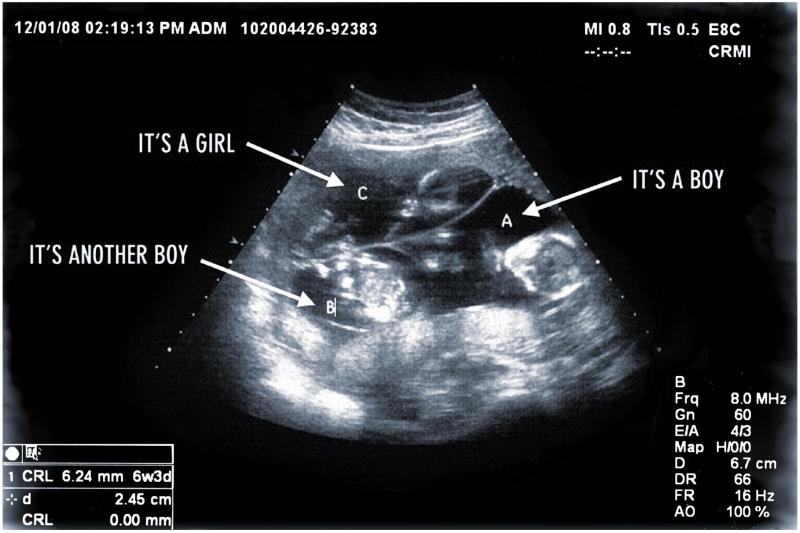
Avi Zev Weider and his wife Alex used science to get pregnant, and like so many couples these days, they wound up with multiples—triplets to be exact. Avi's film, Welcome to the Machine, is his exploration into whether or not this kind of technological intervention into human life is a positive development. It's easy to understand how they might question their choice when we see their three prematurely born babies in neo-natal incubators and the subsequent challenges. As the family struggles, Avi ponders if they have discovered a dark side to using technology to have a family.
Lost and Sound filmmaker Lindsay Dryden revealed during the Q&A at SXSW that she is partially deaf with a chance she might lose all of her hearing. As someone who is "obsessed with music," she wondered if she does lose her hearing, what can she expect her experience of music to be? She finds several people at various stages of deafness -- a dancer who was born deaf, a music critic who lost hearing in one ear and experiences pain when he tries to listen to music, and a young piano player who lost her hearing from a bout with meningitis. The girls have cochlear implants, or electronic devices in their inner ears and aids on the outside, to assist with hearing, while the music critic undergoes a series of medical scans to get help coping with tinnitus pain. Cochlear implants may also be an option for him.
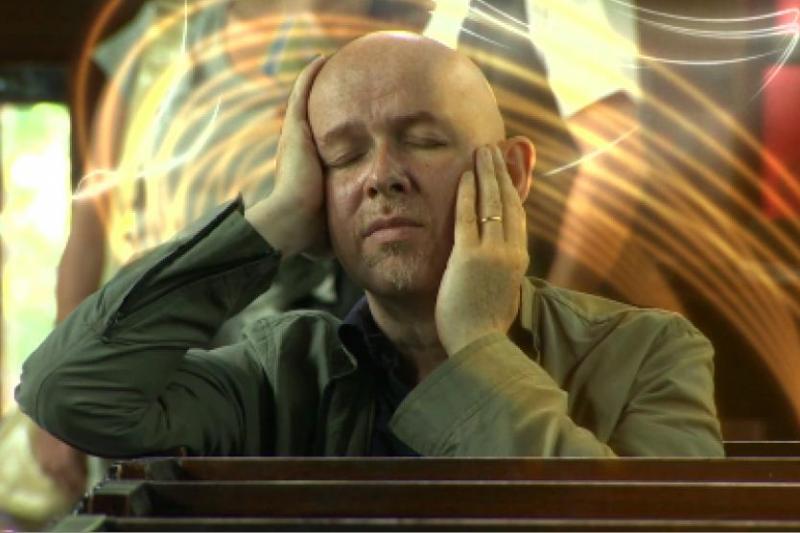 Lost and Sound makes the case that music is an essential ingredient to human life because our physiological response to it is so complete and complex. Each subject, through technology, is closer to being able to "hear" music. They express satisfaction with their choices because they are able to enjoy music in their own way.
During the Q&A, an audience member asked the sign language interpreters for their response to the film and their stammering responses were telling. There is a contingent in the deaf community that don't believe in trying to fix deafness with technology so all the interpreters could say without blasting the film, was that they had wished there was more sign language represented (there is none, it's subtitled for the hearing impaired).
Between Lost and Sound and Welcome to the Machine, we see people who are using technological solutions to biological obstacles. No one would argue against the imperative to have a family or enjoying music as basic foundations of the human experience. How can it be wrong to pursue the advancement of such technologies? Enter King Kelly by Andrew Neel, a film that will make you want to smash your iPhone and send your MacBook to a watery grave -- hard to imagine, right?
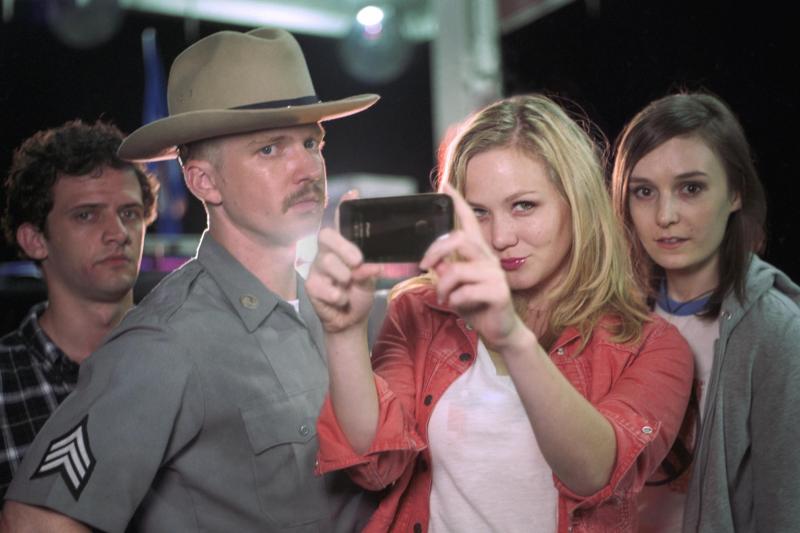 King Kelly follows the day of a barely legal teen who hosts her own online peepshow (performed in her bedroom without her parents having a clue), traffics hard drugs and must constantly broadcast herself via her iPhone no matter what insidiousness the camera might be capturing of herself or others. Her extreme narcissism combined with technology create an ugly beast for one so gorgeous (played scarily convincingly by Louisa Krause).
But the horrible truth is that the film's story doesn't feel all that far from what you might find on YouTube now. When I asked the filmmaker about who the audience for the film might be, he replied that he expected the Funny-or-Die-clippable moments would be huge hits on the web. I never thought about making a feature in the hopes that it would be seen in pieces on the web, but it's a huge audience so I can understand why it would be a goal.
These three films, taken together, provide grist for the thought mill about the positives, negatives and neutrals of the role technology in our lives. I have to admit to being impressed by the philosopher in Welcome to the Machine who manages to use only the least advanced technology that is available -- he only has a landline phone, for example. I was impressed by his resolve but as one who resisted getting a cell phone as long as I could, it helps me in so many ways, I can't imagine going back to not having a smartphone (not even just a mobile phone, a handheld computer). Ted Kaczynski sent bombs to technology advocates. His manifesto, published by The New York Times in an attempt to halt his terrorism, was all about how evil technology is in human life and that we should go back to the stone ages. The other extreme might be intelligent, self-directed face-eating robots that take over the planet (SXSW Midnighter, anyone?).
Trifecta is a feature I used to write for my documentary blog, comparing three films about a subject with an eye toward thinking about themes in a three-dimensional way. After all, no one film can be an authority on any subject, and it's important to be informed about issues like the ethics of technology. These three films make a case for us to continue considering these issues and I like giving you a window into my festival experience. Thank you to all the filmmakers sharing work at SXSW. It's been wonderful having you!
Agnes Varnum is the Director of Marketing at the Austin Film Society.